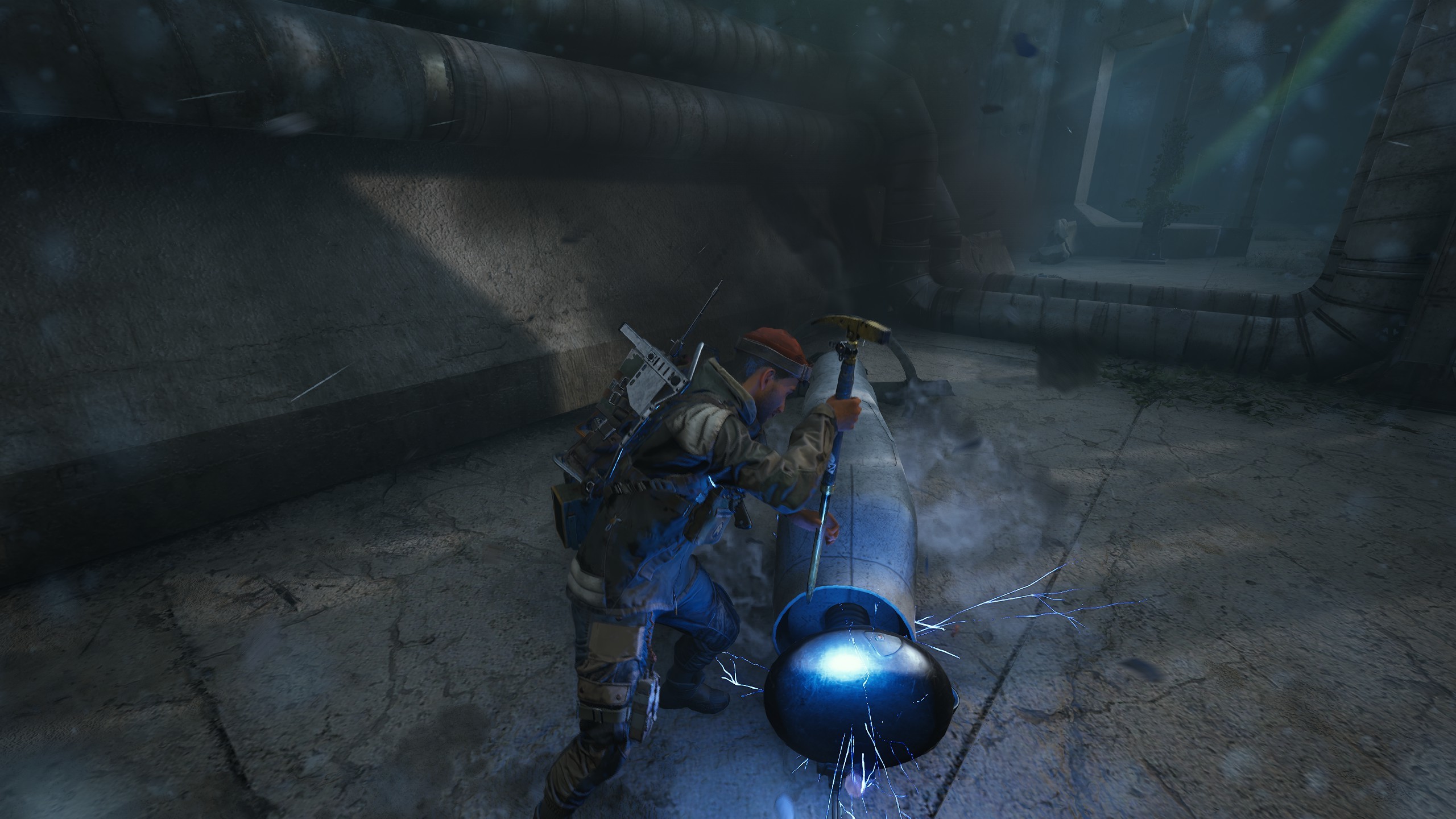
Territory control in ARC Raiders shapes match flow and outcomes. Strategic position denial limits enemy options consistently. This guide teaches map domination techniques for territorial superiority.
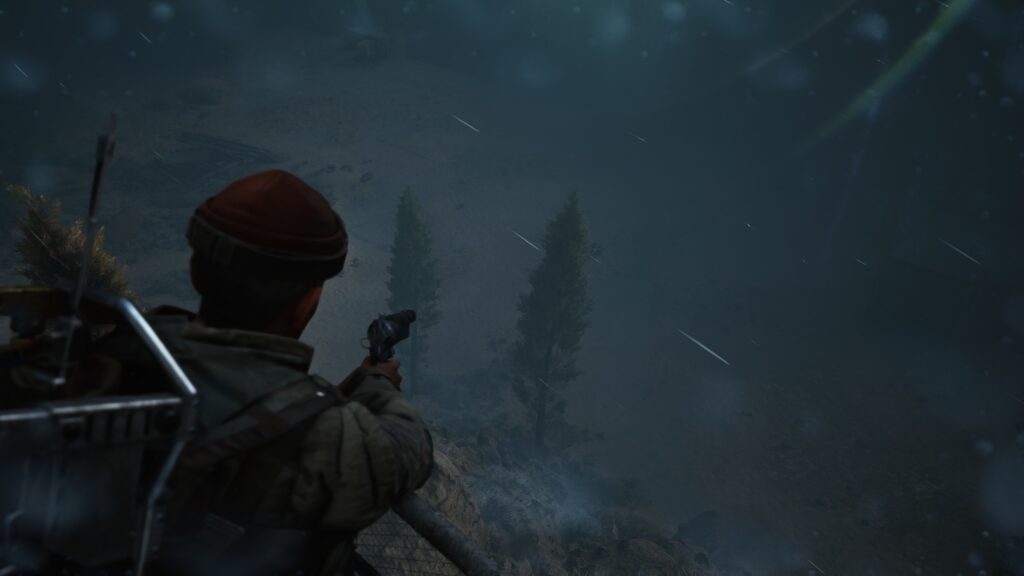
Key Position Types
Understanding position categories enables proper control efforts. The table below classifies map control points:
| Position Type | Strategic Value | Control Difficulty | Resource Requirement |
|---|---|---|---|
| High ground overlooks | Extreme | Medium | Low-Medium |
| Choke points | High | Low | Medium |
| Resource hubs | High | High | High |
| Extraction points | Medium-High | Variable | Medium |
| Rotation paths | Medium | Low | Low |
Position Seizure Tactics
Taking key positions requires coordinated action. Scout positions before commitment fully. Identify current occupiers and strength. Approach from unexpected angles. Overwhelming force secures positions quickly. Consolidate immediately after seizure. Quick seizure prevents enemy reinforcement.
Position Maintenance
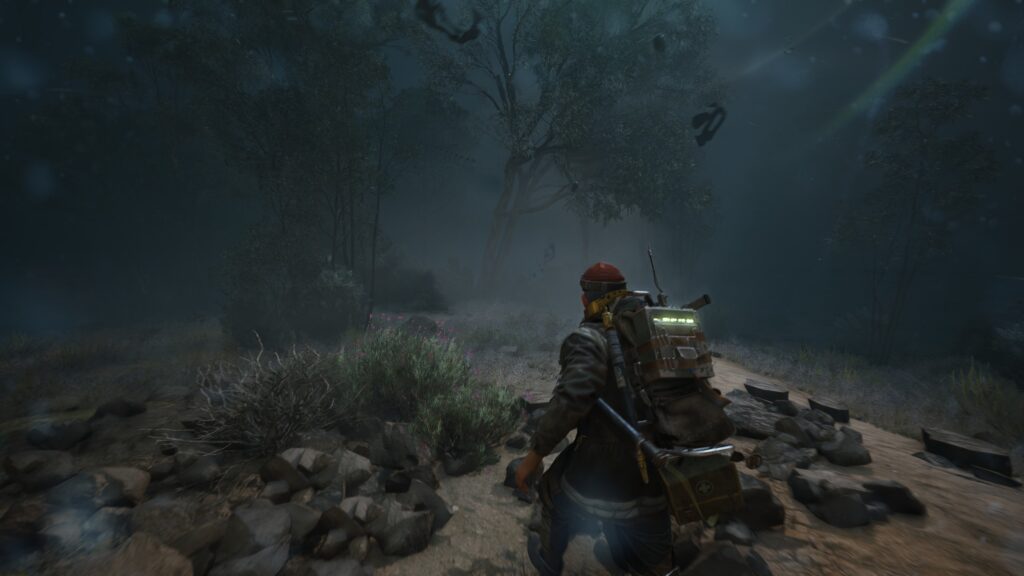
Holding positions demands active defense continuously. Cover all approach angles systematically. Rotate defenders preventing fatigue. Maintain supply lines to positions. Communication enables reinforcement requests. Static defense becomes predictable eventually. Active maintenance extends control duration.
Denial Strategies
Sometimes denying positions exceeds holding value. Mines and traps make positions dangerous. Sniper fire prevents position usage. Artillery and explosives area-denial. Temporary denial serves strategic goals. Denial cheaper than holding sometimes. Strategic denial frustrates opponents.
Resource Investment
Position control requires resource commitment. Ammunition for sustained defense. Utilities for area denial. Manpower for adequate coverage. Supply costs accumulate over time. Resource drain affects other operations. Calculate control cost versus benefit.
When to Relinquish Control
Knowing when positions become liabilities saves resources. Overwhelming enemy force makes holding suicidal. Strategic objectives shift elsewhere. Resource cost exceeds position value. Late raid timing reduces position importance. Tactical withdrawal preserves forces. Dead defenders hold nothing.
Counter-Control Tactics
Breaking enemy control requires specific approaches. Reconnaissance identifies defensive weaknesses. Multiple angles pressure defenders simultaneously. Suppression enables position approach. Patience waits for defender mistakes. Counter-control shifts momentum dramatically. Controlled positions can be retaken.
Leave a Reply